


Subscribe and receive email notifications of new blog posts.
 RSS Feed
- 2026 | 38 Posts
- 2025 | 48 Posts
- 2024 | 48 Posts
- 2023 | 48 Posts
- 2022 | 48 Posts
- 2021 | 48 Posts
- 2020 | 48 Posts
- 2019 | 48 Posts
- 2018 | 30 Posts
17
Vegetable Gardening Tips for Atlanta Homeowners
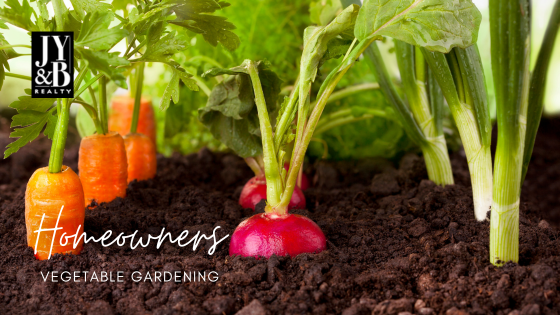
One of the best things about settling into that house you chose from Atlanta homes for sale is all the creative projects you can do with the landscape. And what could be more exciting than creating a vegetable garden? Picture walking out into your backyard and harvesting your own delicious tomatoes, corn, green beans, eggplant, and more.
Gardening in Atlanta is relatively easy, although you also need to protect plants from the hot sun and, at times, too much moisture. Success will depend on how well you do your prep work. Our real estate agents have some tried-and-true tips that will help ensure less trouble and more fruits of the harvest. Let's get prepping and planting!
- Choose your site and clean it up.
Atlanta falls into Climate Zones 7 and 8, meaning the plants you buy should be right for those zones. If the garden has been planted before, remove dried plant debris. Cut back shrubs and tree limbs that might block sunlight. Choose your site carefully. Watch to be sure the sunlight hits at least 6 to 8 hours over the garden. Remember that certain vegetables need more sun than others. For instance, leafy greens do better with dappled sunlight or fewer hours of sun—perhaps 3-4. Also, ensure your site drains properly so your vegetable bed does not become waterlogged. Locate your garden near a good water source. - Prepare your soil.
If your vegetable growing site has never been planted, break up the site with a digging fork so that the soil is loose and crumbles. Work in compost or manure to ensure good nutrition. One of the best ways to grow vegetables is in a raised bed.
Depending on how big an area you want to plant (don't overdo it!), you might set off the raised bed with a frame, either acquired from a garden supply store or DIY. An ideal size is 4x8 feet. If you want a bigger garden, you could have two beds, with individual frames, or a bigger frame, with aisles between the beds to make it easier to work in. You may also add pre-emergent herbicide designed for vegetable gardens to inhibit weeds that might appear later in the season. - Seeds or plants in your garden?
Plant species reach maturity at different times. Plants such as tomatoes and peppers usually do best when planted as seedlings from the nursery. Leafy plants such as lettuce and spinach are ready to harvest in less than 30 days, so these plants are best grown from seed. It's best to plant a mix of plants and seeds. - Mulch generously.
Mulch is essential for keeping your plants cool in our warm climate. Mulch also keeps moisture in the ground, so you don't have to water as often. Spread mulch generously, but do not cover the stems of the plants with it. Although you can buy commercial mulch, you can produce your own with grass clippings, straw, leaves, pine needles, or newspaper. As mulch deteriorates, it adds nutrients to the soil and feeds your plants. - Water carefully.
Close observation will guide you on how much water your plants need. It's best to water early, but do not wait if plants are wilting. Try to water at the base of the plant rather than on top of the foliage to avoid mold.
For more tips on vegetable gardening or getting your house in order, we're here for you. Contact us today.