


Subscribe and receive email notifications of new blog posts.
 RSS Feed
- 2026 | 38 Posts
- 2025 | 48 Posts
- 2024 | 48 Posts
- 2023 | 48 Posts
- 2022 | 48 Posts
- 2021 | 48 Posts
- 2020 | 48 Posts
- 2019 | 48 Posts
- 2018 | 30 Posts
27
Storm Season Isn't Over: What Georgia Homeowners Should Check Right Now
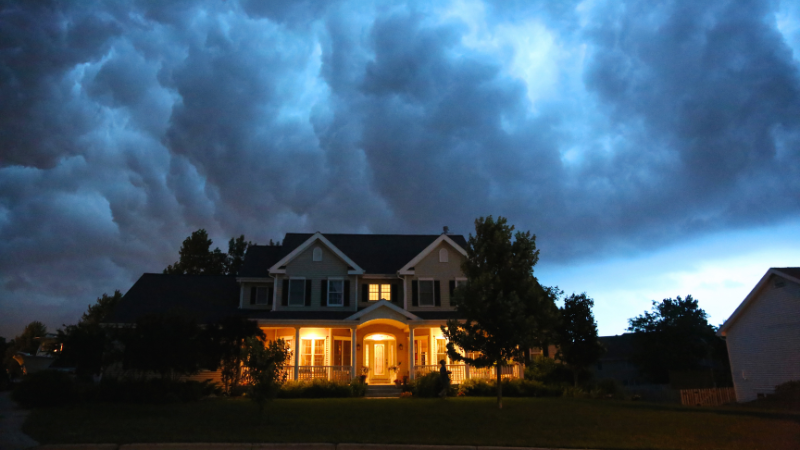
A lot of homeowners mentally close the book on storm prep sometime in spring. Buy the batteries, trim the trees, maybe glance at the insurance policy, and move on. But late July into August is historically one of the more active stretches for severe weather across north and central Georgia, and the season has a habit of saving some of its worst for last. Our real estate agents work with homeowners throughout the Atlanta metro, and the calls about storm damage don't slow down in August. They pick up.
Georgia's Storm Season Has a Second Act
Why Late Summer Gets Overlooked
Spring gets most of the attention because that's when tornado watches and hail events dominate the news cycle. The storms that roll through Georgia in late summer are a different animal entirely. Slower, wetter, less dramatic on radar but more damaging over time. Prolonged heavy rain saturates soil, stresses roofing materials that may have already taken hits earlier in the season, and overwhelms drainage systems that were borderline functional to begin with. A home that made it through April and May without obvious damage isn't necessarily in the clear. August has a way of finding what spring missed.
What's Still at Risk
The second half of storm season tends to expose deferred problems more than create new ones. Roof flashing and sealant around vents, chimneys, and skylights are worth a close look, especially if there were any strong storms earlier in the year. Gutters pulling away from fascia after months of heat expansion and heavy rain cycles are easy to miss until they're causing real damage. Basement and crawl space moisture that's been gradually worsening since spring can quietly cross the threshold into a mold problem before the season even ends.
None of these are dramatic. That's exactly why they go unaddressed.
Your Insurance Policy in the Back Half of the Season
The Coverage Gap Most People Discover Too Late
Standard homeowner's policies cover wind and hail damage, but many include a separate wind or hail deductible calculated as a percentage of your dwelling coverage rather than a flat dollar amount. On a home insured at $350,000, a two percent deductible means $7,000 out of pocket before the policy engages. Most homeowners have never looked up that number. The time to look it up is not while you're waiting for an adjuster.
There are a few other details worth pulling out of the fine print:
- Roof age exclusions that can limit or void payouts on older materials
- Actual cash value versus replacement cost on your roof, which factors in depreciation and can dramatically reduce what you receive
- Flood damage, excluded from virtually every standard policy regardless of what caused the water to enter the home
Flood Coverage and the Rain Events Nobody Talks About
Late summer flooding in Georgia rarely looks like what people imagine. It's not a river overflowing its banks. It's four inches of rain over two days, a drainage ditch that can't keep up, and water pushing into a crawl space or finished basement. Homeowners without a separate flood policy absorb that loss entirely on their own, and many don't realize that until they're already filing a claim that's going nowhere.
If flood coverage has been on the to-do list, the back half of storm season is a poor time to keep deferring it.
Frequently Asked Questions About Late-Summer Storm Prep in Georgia
What should Georgia homeowners check before August storms?
Homeowners should look closely at the roof, gutters, downspouts, drainage areas, crawl space, basement, and any places where water has entered before. Late-summer storms can expose small issues that have been building all season, especially after repeated heat, rain, and wind.
Does homeowners insurance cover storm damage in Georgia?
Most standard homeowners insurance policies cover wind and hail damage, but deductibles, roof age rules, and replacement terms can vary. Flood damage is usually not covered by a standard policy, so homeowners should review their coverage before the next major rain event.
Is flood insurance worth considering in metro Atlanta?
Flood insurance may be worth considering even if a home isn't near a major river or lake. In metro Atlanta, heavy rain, poor drainage, saturated soil, and low-lying yards can all create water problems that may not be covered by a standard homeowners policy.
Don't Wait for the Next Storm to Take Action
August has a way of reminding Georgia homeowners that storm season runs longer than most people plan for. A review of your coverage, a walk around the exterior, and a call to your insurer if anything looks questionable is a small investment of time compared to what deferred attention can cost. If you're also thinking about buying or selling before the year wraps up, browse Atlanta homes for sale or contact us to connect with the JYB Realty team.